Most solar quotes fail at the first question, because they start with the roof instead of the electricity bill. The right number of panels comes from your annual energy use, the output of modern panels, and the sunlight your region actually receives. Get those three numbers and the calculation takes five minutes, no sales visit required. This guide walks through the method, works real examples for small, average, and large homes, and clears up the myths that push people into buying systems that are too big or too small.
Start With Your Annual Kilowatt-Hours
Your electricity bill holds the only number that matters: how many kilowatt-hours your home uses in a year. Add up twelve months of bills, because heating and cooling swing usage so much between seasons that a single month misleads badly. A small, efficient flat might use around 3,000 to 4,000 kilowatt-hours a year. An average family home commonly lands somewhere around 7,000 to 10,000. A large house with electric heating, a pool, or multiple air conditioners can pass 15,000. If you cannot find old bills, your utility’s online account almost always shows an annual total, and that figure is the foundation of everything that follows.
Know What One Panel Produces
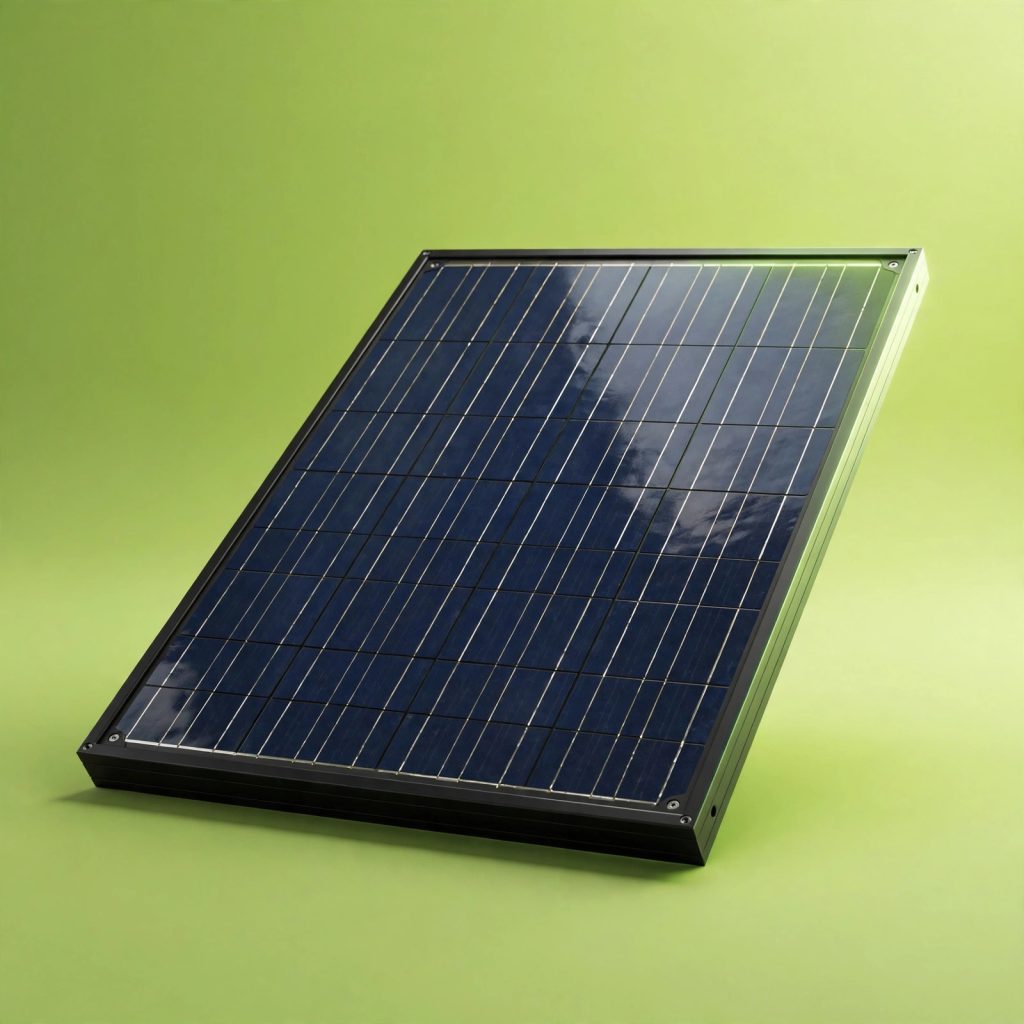
Most residential panels sold in 2026 are rated at roughly 400 watts, with common models ranging from about 380 to 440 watts. The rating describes output under ideal laboratory conditions, not your roof. Real production depends on sunlight hours, roof angle, shading, and direction. A useful rule of thumb: each kilowatt of installed panels generates roughly 1,100 to 1,700 kilowatt-hours a year depending on climate, with cloudy northern regions at the low end and sunny regions at the high end.
The Calculation, Step by Step
Divide your annual usage by the yearly production of one kilowatt in your area, and you get the system size in kilowatts. Then divide by panel wattage to get the panel count. Take an average home using 9,000 kilowatt-hours a year in a region where one kilowatt produces roughly 1,400 kilowatt-hours annually. The home needs about 6.4 kilowatts of panels. Using 400-watt panels, that is sixteen panels. The same home in a cloudier region producing 1,100 kilowatt-hours per kilowatt needs roughly 8.2 kilowatts, or about twenty panels. Same house, same habits, four extra panels purely because of geography. This is why copying a neighbour’s system size, or trusting a quote that never asked for your bills, goes wrong so often.
Worked Examples for Three Home Sizes
A small flat or cottage using around 3,500 kilowatt-hours a year in a moderately sunny area needs roughly a 2.5 to 3 kilowatt system, about seven 400-watt panels. The average family home in the example above needs sixteen to twenty panels. A large home using 16,000 kilowatt-hours a year needs roughly 11 to 12 kilowatts, around twenty-eight to thirty panels, which starts to test the limits of a single roof. Each of these examples targets covering most or all annual usage. Some households deliberately size for 70 to 80 percent of usage instead, because the last slice of generation is often the least cost-effective to chase.
Roof Space and Direction
Sixteen panels need roughly 30 square metres of usable roof, since each panel covers about 1.8 to 2 square metres plus spacing. South-facing roofs in the northern hemisphere, and north-facing in the southern, produce the most; east and west roofs typically yield around 15 to 20 percent less but spread generation across the day, which can suit household routines better. Shading from chimneys, trees, and neighbouring buildings matters more than small angle imperfections, and good installers model it before quoting. If your best roof section fits fewer panels than the calculation wants, prioritise that section and accept a slightly smaller system rather than scattering panels across poor surfaces.
Plan for the Loads You Are About to Add
Size for the home you will have in three years, not only the one you have today. An electric vehicle driven typical distances adds roughly 2,000 to 3,000 kilowatt-hours a year, about five to eight extra panels. Swapping a gas boiler for a heat pump adds a similar amount. Adding a handful of panels during the original installation costs far less per panel than a second installation later, because the crew, scaffolding, and paperwork are already paid for. Mention planned purchases to any installer and ask them to quote both sizes.
The Oversizing Myth
Bigger is not automatically better. Electricity you generate but cannot use or store gets exported, and most utilities pay far less for exports than they charge for imports, so oversized systems earn disappointing returns on their extra panels. The sweet spot for most homes covers annual usage closely, with modest headroom for future loads. Count your kilowatt-hours, divide honestly, and the right number of panels stops being a mystery.