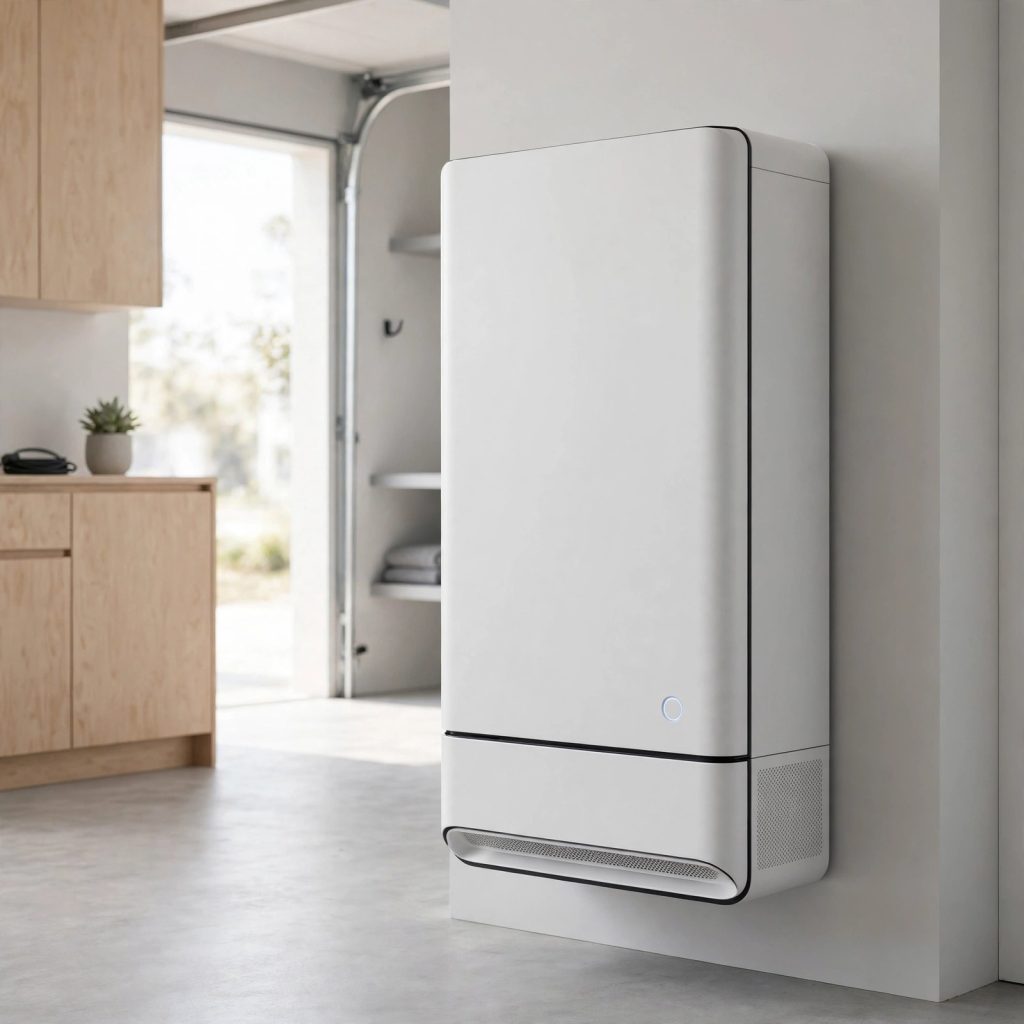
Home batteries have dropped in price every year for a decade, and 2026 is no exception. A system that once cost as much as a new car now costs roughly what a decent kitchen renovation does. Yet the honest answer to whether a battery is worth buying still depends on three things: what you pay for electricity, whether you have solar panels, and how much you value backup power during an outage. It is a maths question, and the maths now comes out in favour of batteries for more households than it did even two years ago.
What a Home Battery Costs in 2026
A typical home battery stores around 10 to 13.5 kilowatt-hours of energy, enough to run essential loads through an evening or a short outage. Installed prices in 2026 commonly land between roughly $8,000 and $15,000 for a single unit, including the inverter, labour, and permits, though prices vary widely by region and installer. Government incentives still help in many places: tax credits and local rebates can cut the net cost by roughly a quarter to a third where they apply. Always price the fully installed, after-incentive figure, because that is the number your payback depends on.
The Payback Maths, Honestly
A battery earns money in two ways. It stores cheap electricity and releases it when electricity is expensive, and it stores surplus solar energy you would otherwise export for a few cents. A worked example shows the shape of the returns. Suppose your battery shifts around 10 kilowatt-hours a day from cheap hours to expensive hours, and the price difference between those periods is roughly 25 cents per kilowatt-hour. That saves about $2.50 a day, or around $900 a year. Against a net installed cost of roughly $10,000, simple payback takes about eleven years. That is marginal, not magical. Batteries typically carry warranties of around ten years, so a battery bought purely for bill savings on flat electricity rates often barely pays for itself. The picture changes sharply when rates, solar, or outages enter the calculation.
Time-of-Use Rates Change Everything
The single biggest factor in battery economics is the gap between peak and off-peak prices. Where utilities charge two or three times more during evening peak hours, a battery cycles profitably almost every day, and payback can shrink to roughly six to eight years. Some markets also pay battery owners through virtual power plant programmes, which reward you for letting the grid draw on your stored energy during emergencies. Those payments, sometimes several hundred dollars a year, can pull payback forward by years. Where electricity costs the same at every hour and export rates for solar are generous, the same battery has almost nothing to arbitrage, and the honest advice is to wait.
Backup Power: The Value You Cannot Spreadsheet
For many buyers, the real product is not savings but continuity. A battery keeps the fridge cold, the lights on, the internet running, and medical devices powered when the grid fails. Unlike a generator, it needs no fuel, makes no noise, and starts itself at 3 a.m. without you. How much that is worth depends on your grid. If you lose power twice a year for an hour, backup is a luxury. If storms, heatwaves, or an unreliable local network cut your power several times a year, sometimes for days, backup may justify the purchase on its own, with bill savings as a bonus.
Pairing a Battery With Solar
Solar panels and batteries solve each other’s weaknesses. Panels generate the most energy at midday, when most homes use the least, and a battery catches that surplus instead of exporting it cheaply. In the evening, the home runs on its own stored sunshine instead of buying peak-priced grid power. Homes with solar and low export payments usually see the strongest battery returns, because every stored kilowatt-hour replaces a full-price purchase rather than a cheap export. If you are installing solar now, fitting a battery-ready inverter costs little and keeps your options open, even if you add the battery itself a year or two later.
Who Should Buy Now, and Who Should Wait
Buy now if you face high peak prices, own solar with poor export rates, suffer regular outages, or can stack incentives that cut the upfront cost substantially. Wait if your electricity is cheap and flat-priced, your grid is reliable, and your roof has no solar yet; panels first, battery later is usually the better order. Prices keep drifting downward, so waiting is a legitimate strategy.
The Verdict
In 2026, a home battery is worth it for a clear and growing group of households: solar owners on time-of-use rates, people in outage-prone areas, and anyone who can combine incentives with daily price gaps. For everyone else, it remains a purchase of comfort and resilience rather than a financial investment. Run your own numbers with your actual tariff and quotes, because your answer lives in your electricity bill, not in a headline.